

This story about child care workers was produced by The Hechinger Report, a nonprofit, independent news organization focused on inequality and innovation in education. Sign up for the Hechinger newsletter.
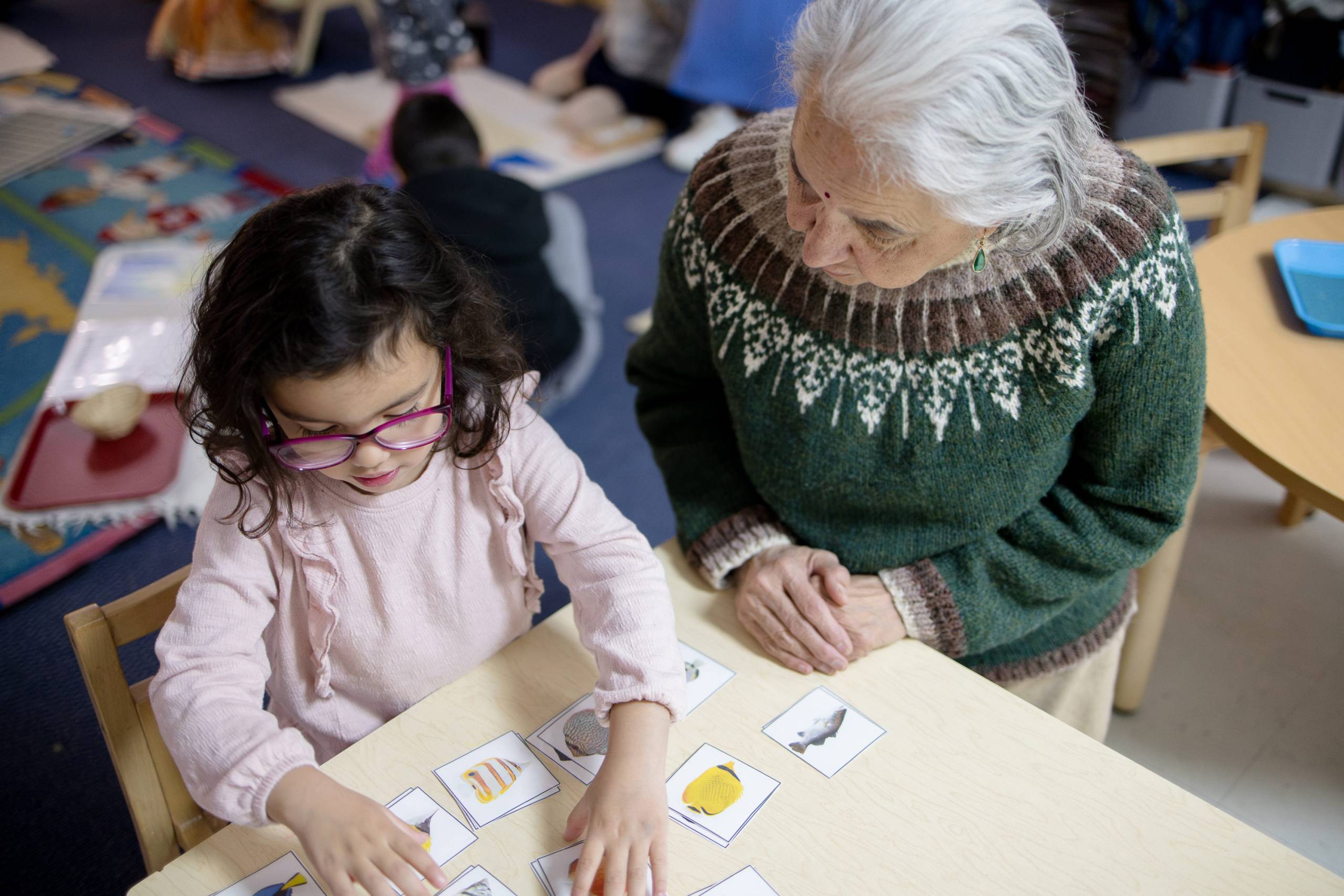
DENVER — It was nap time at Family Star Montessori, and Sue Alexander, a retired accountant, settled onto the floor beside a little girl named Ophelia. The child leaned against her and announced: “I love squishy things.”
Alexander’s “squishy thing” — her arm — just earned her a new friend.
Alexander is a member of the Early Childhood Service Corps, which trains adults ages 50 and older to work as substitute teachers in child care centers like this one in Denver and the surrounding suburbs. In addition to helping to staff an industry that chronically lacks workers, ECSC also offers personal fulfillment and community connection for its members in the years after retirement, participants say.
“Training was a lot, but it was really well put together,” Alexander said of the program. “They’ve got good people.”
The shortage of child care teachers is a well-known problem, but a lack of qualified substitute teachers doesn’t always get as much attention. Legally, centers are required to maintain a certain number of adults for the children they have in care. Without reliable substitutes, full-time teachers can barely step out of the room for a short break, much less make longer appointments for something like a trip to the doctor. The program also offers volunteer “business advisers” who provide back-office support to centers that need it.
“The early care and education field is just full of clever people who are trying to find ways to shore up the system in any way possible,” said Elizabeth Pufall Jones, the director of preparation and work environment programs at the Center for the Study of Child Care Employment. Early childhood teachers are often perceived as babysitters whose roles can be easily filled, she said, but that’s not true. With ECSC members, “you know they’re a well-qualified individual to go into these classrooms.”
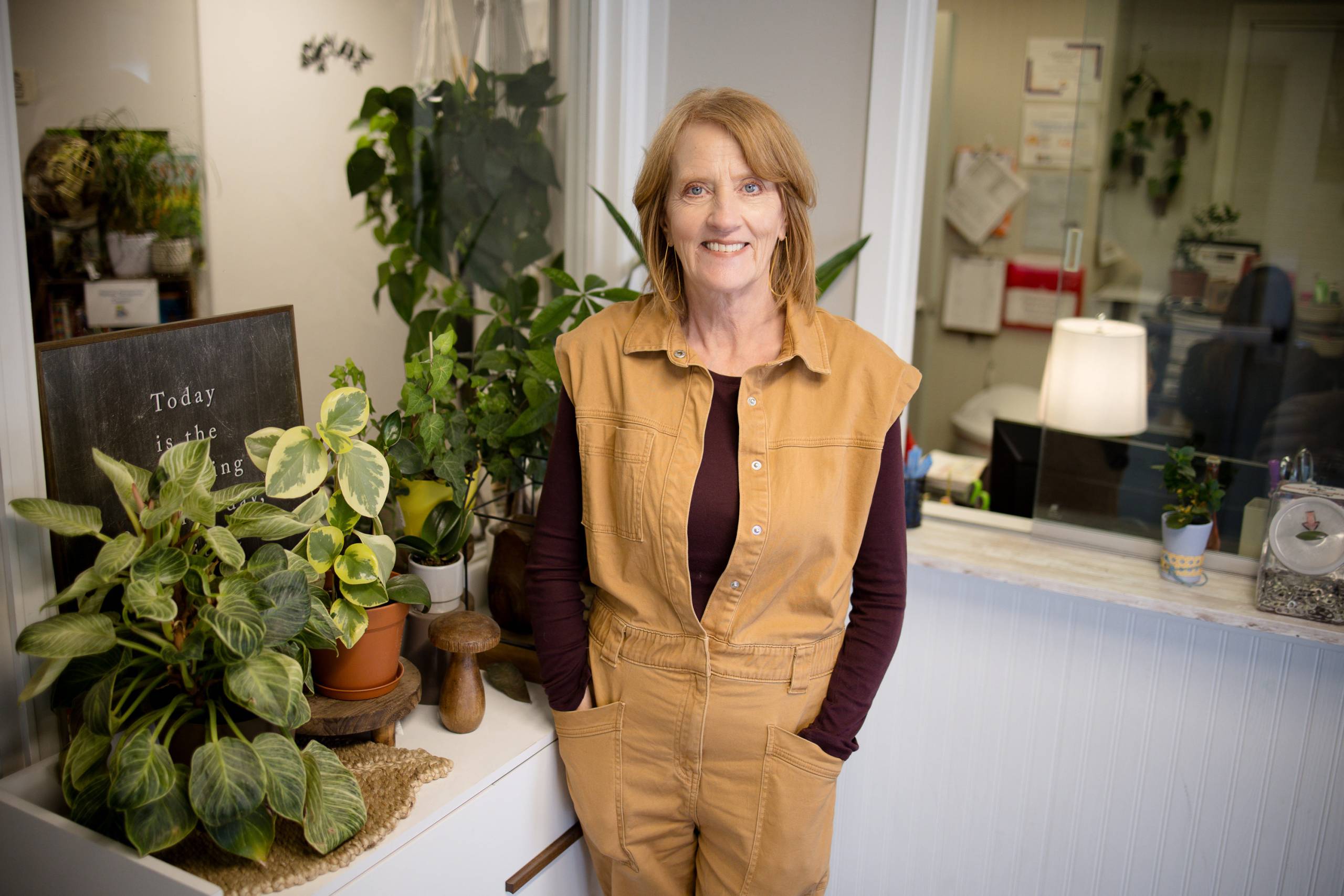
Lisa Armao, who has worked in early childhood education for more than 30 years, founded ECSC in 2022, inspired by a documentary called “The Growing Season” that features a program in Seattle housing a senior center and a daycare center under one roof.
She visited the Seattle program with the intention of trying to start a similar model in Denver. The pandemic upended her plan to create a stand-alone facility, but Armao has been able to raise over $440,000 in state and local funding for the ECSC model of placing older adults in child care centers both as substitute teachers and as office staff.
Over the last three years, ECSC has placed about 150 volunteers in Montessori programs and other child care centers around the Denver area. Those who want to work as teachers attend three to four months of online classes offered by Red Rocks Community College. Those who want to work with children but don’t want the extra training take 19 hours of training modules offered by ECSC. Volunteer business advisers take seven hours of free training on early childhood regulations before being placed at a center. Some of the participants in the program are paid, while others provide support to child care centers for free.
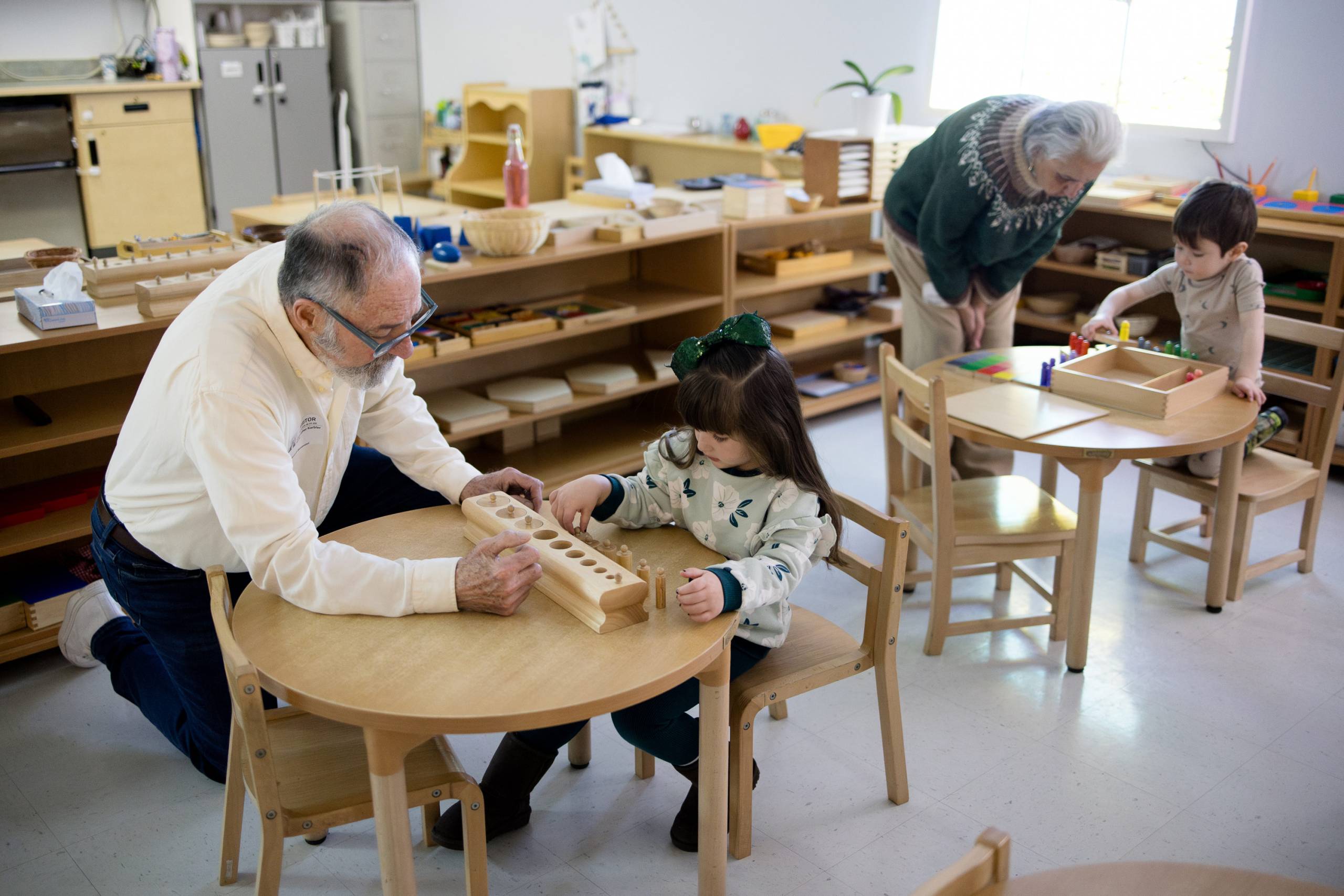
Family Star Montessori educates 230 children, ranging from 8 weeks to 6 years old, in its two schools and its home-based learning program. Alexander’s presence in a classroom means teachers can step out to take a phone call or go to the bathroom without worrying about whether there are enough adults in the classroom.
“We don’t talk about bathroom breaks enough,” Armao said. “If you need to go to the bathroom, there has to be someone to come in to cover you in that space, and that can make for a very uncomfortable working environment. Meeting the needs of the adults helps with morale.”
ECSC has attracted a steady stream of local media attention, which is how most older adults learn about the program, but finding corps members to meet the need remains a challenge. Armao said she has received inquiries about replication from people in California, Ohio, Oregon and Washington state.
Just as Family Star executive director Lindsay McNicholas relies on Alexander to help care for kids, she depends on another ECSC member, Jean Townsend, for administrative support.
Before she retired, Townsend owned a local economics consulting firm and, among other accomplishments, helped to start the Colfax Marathon, an annual race that brings out thousands of runners. She came to Family Star with extensive contacts among business and political leaders as well as a roll-up-your-sleeves attitude.
“I’ve learned that if you’ve got a problem, you solve it,” Townsend said. She is working with the center as it plans to sell one site and buy another with more modern heating, closer to where most of the families live.
Townsend’s business background has been invaluable, McNicholas said. “I’ve been able to meet officials and city planners in Jefferson County, which is a new county for us. That has given us a jump-start with this really incredible opportunity for our organization.”
Armao said the corps members come from a variety of professional backgrounds and have a range of different expectations for the experience. Along the way, they gain insight into a largely invisible profession. “They get a schooling in the state of early childhood and they come to understand it in a deeper way. Some grab onto the fact that it’s an economic driver. Others grab onto the simple fact that these children are going to be humans running our world.”
Kit Karbler, 72, is a glass artist whose work is displayed at the Denver Art Museum. “If I hadn’t found this, I can’t imagine what I’d be doing,” he said about being a substitute child care worker at an early learning center based at Temple Emanuel in Denver. Karbler works 20 hours a week, more if they need him. “What would I be doing that would give me this emotional return?”
Kamal Fakhouri, 68, worked in education and business all over the Middle East. At Monarch Montessori, a public school with 250 children ages 6 weeks through 5 years, Fakhouri fills in as a substitute teacher.
Born in Lebanon, she lived in the United Arab Emirates, Kuwait, Saudi Arabia and Egypt before moving to Denver to be near her daughter and grandchildren. This was during the height of the Covid pandemic. Fakhouri said she especially prizes moments of connection. “I was reading with a child in a class that I haven’t been to in a while, when [a child] just came and hugged me from the back and started telling me about what work they’re doing,” she said.
Bethanne Rodriguez, executive director of the five-site Thrive Preschool network in the Denver area, which has welcomed corps members, said she appreciates their “older faces and older energy” — as well the example they set for the rest of the staff. “They have had a career and have that life experience to know and understand the investment that this work is,” she said. “They know what it means to show up for work and know what it means to not call out when you’re just having a bad day.”
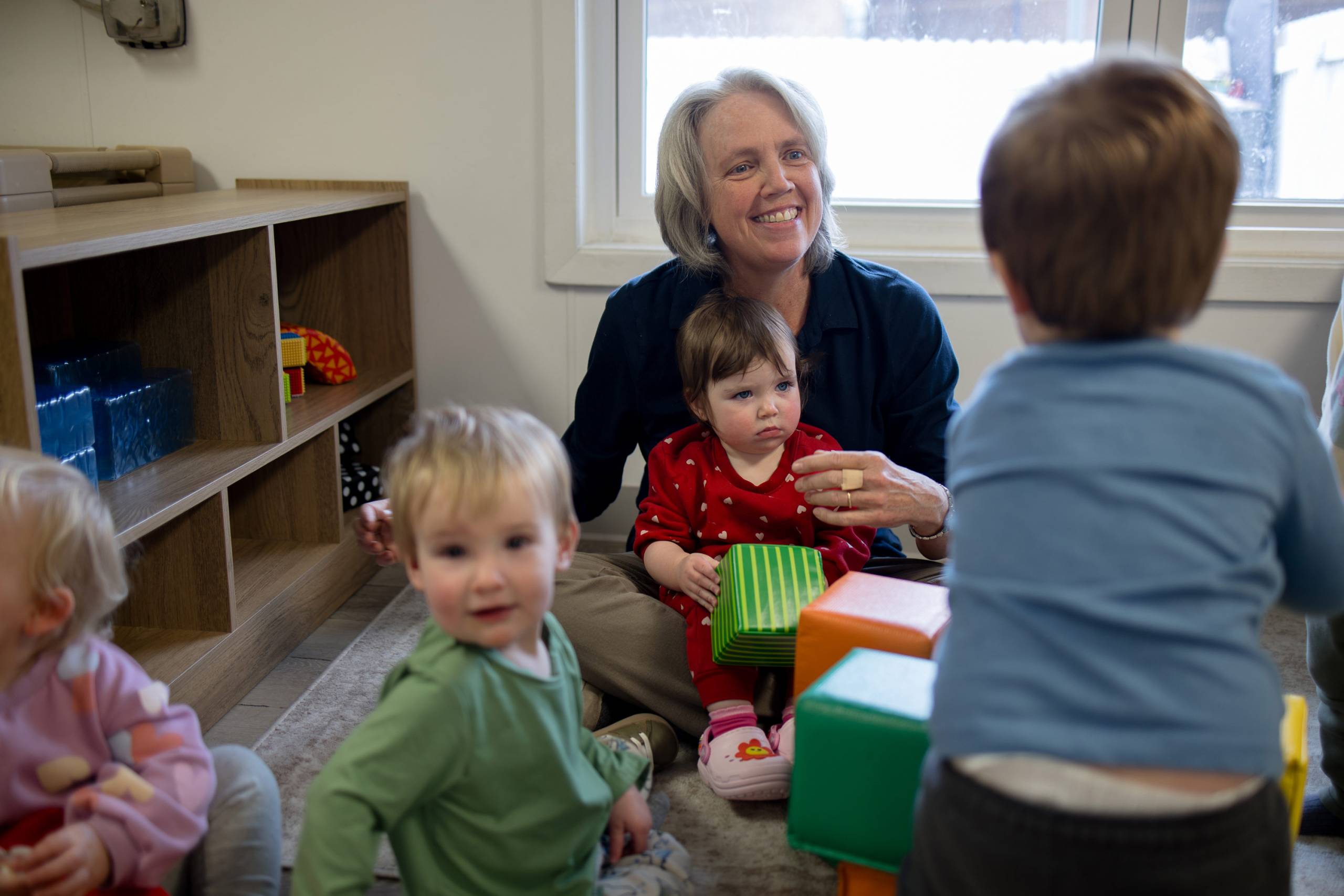
One of the corps members at Thrive’s Littleton location is Yvonne Wilder. After her first week in the baby room, her muscles ached in places she’d forgotten existed. The retired wetlands biologist, who’d spent decades cataloging ecosystems for the city of Tampa, was discovering that an eight-hour shift there demanded a different kind of stamina than fieldwork ever had.
“It’s a very physically challenging job,” said Wilder, 57. “I change diapers all the time. I do everything. I admire all the people who do this full time because it is not easy.”
During her first year, Wilder says, she got sick constantly, and her adult children asked her if she really wanted to continue. Soon, though, her immune system caught up, and she discovered that spending time with the children, germs and all, makes her happy.
“I’ve had them ask me, ‘Are you my grandma?’” she said. “And I’ll say, ‘I can be your school grandma.’ It’s such a privilege to know them and to be known by them.”
Support for this reporting came from the Better Life Lab at New America.
This story about child care workers was produced by The Hechinger Report, a nonprofit, independent news organization focused on inequality and innovation in education. Sign up for the Hechinger newsletter.
While working in child care is adjustment, retirees find fulfillment in many ways while helping plug persistent staffing shortages.{}